
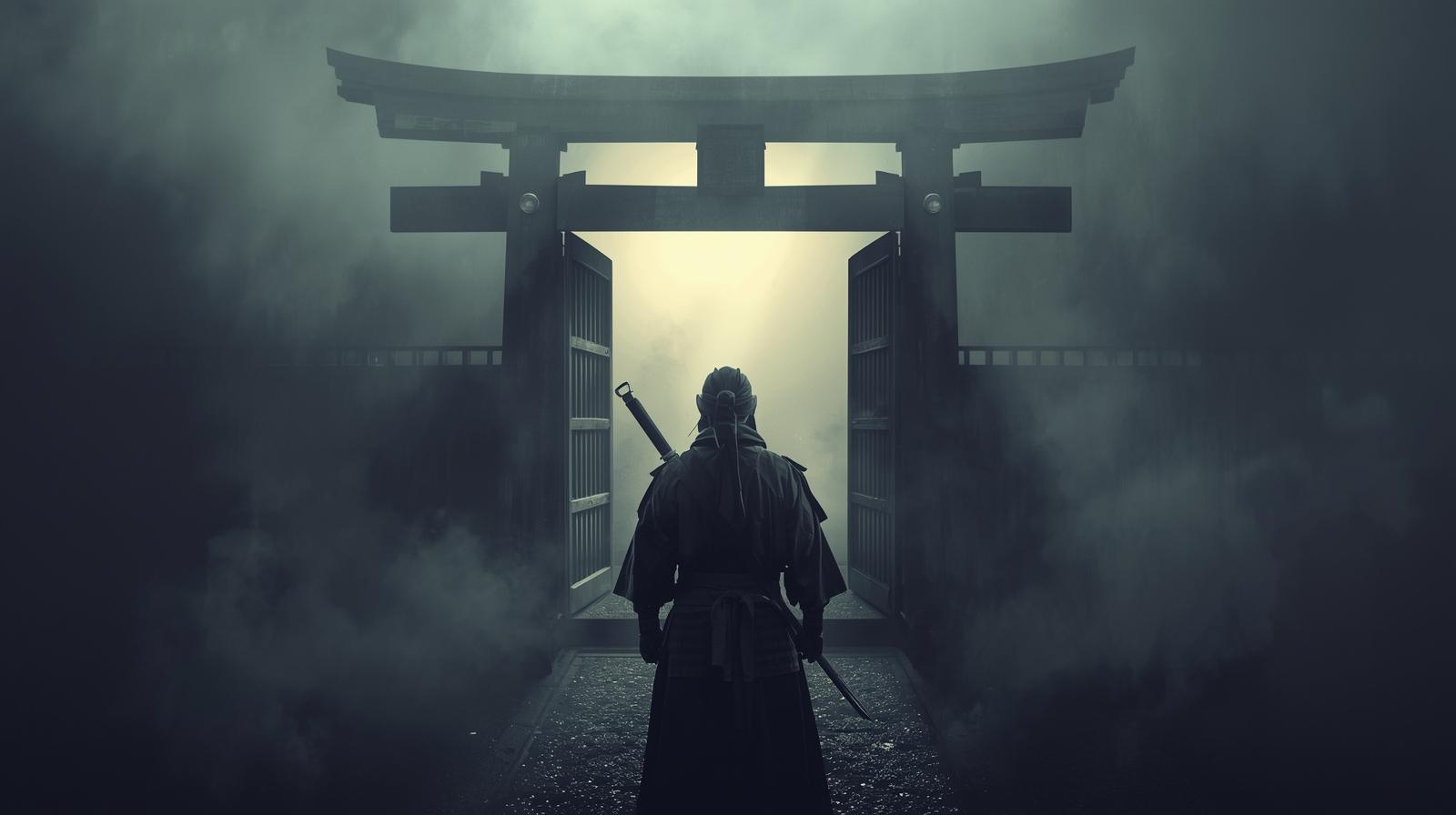
Oku & Okuden — What Lies Beneath Every Technique
Why Even Advanced Students Get Stuck
By Dai-Shihan Jeffrey Miller SPS, DTI
Director & Master Instructor
Warrior Concepts Int'l / Bujinkan Mori no Tora Dojo
Most martial artists believe the highest levels of training are about…
harder techniques.
Deadlier techniques.
More complex techniques.
Secret techniques.
But the old masters never built their legacies on accumulating more movement.
They built them on seeing more clearly.
If Okuden were simply “advanced kata,” the masters would have passed down harder combinations.
They didn’t.
They passed down perception.
The Mistake Most Students Make About Okuden
Let’s dismantle a myth that quietly destroys more students than injury ever could. And that myth - that belief is that:
Shoden = beginner techniques
Chuden = intermediate techniques
Okuden = advanced techniques
That model may look logical…
…but it is not traditional (and we know how much everyone loves that word - "traditional").
It’s really a modern misunderstanding.
Because in classical ryu-ha, the den 'transission' system was never about difficulty.
It was about depth.
🔍 Want to go deeper before continuing?
This article expands on what I taught in Episode e286 of KUDEN! —
where I walk through how Okuden is experienced in movement, awareness, and decision-making, as-well-as into the differences between the shoden, chuden, and okuden levels of study in any ryu-ha.
➜ Listen here before continuing (or come back after you've finished): https://youtube.com/live/210TZBBuFGA
What “Okuden” Actually Means
The word Okuden is written:
奥伝
Oku (奥) = inner recess, depth, interior
Den (伝) = transmission through direct experience
Okuden does NOT mean “hard techniques.”
It means:
Teaching that only makes sense once perception has matured.
Shallow training changes what your body does.
Deep training changes what your eye sees.
Town guards train movements.
Warriors learn conditions.
Martial artists and self-defense practitioners see the punch coming.
Master Warriors see the battlefield.
When Kata Stops Being the Point
At the beginning levels, kata serve a specific purpose:
They teach:
• structure
• distance
• posture
• timing
• angles
• safe movement patterns
At the shoden level, the focus is on what we can do with our body, how it works - and what we can do to his body, how and where it's weak, and where to break things.
At the middle levels, kata shift:
They become:
• adaptability drills
• bad habit breakers
• ways to experience failure safely
• ways to discover why movement breaks down, etc.
But eventually…
If the student continues…
The kata… disappears.
Not physically.
Psychologically.
Because at the Okuden level:
The kata is not the lesson.
The conditions that cause the kata to be required become the lesson.
The Difference Between Technique-Focus and Okuden Awareness
Most practitioners are trained to respond to attacks.
Advanced practitioners learn to respond to pressure.
Most students train after danger arrives.
Okuden is trained at the level where danger hasn’t occurred yet.
At this level, you are no longer solving attacks.
You are solving:
• atmosphere (the "air" and "feel" of the space - of the situation)
• emotional states
• social friction
• environmental risk
• timing windows
• presence
• behavioral cues
• internal hesitation
• pressure before contact
This is why Hatsumi-Sensei repeatedly said to upper level students:
“Do not focus on winning or losing.”
and later at even higher levels:
“Drop even the belief that you are in a fight.”
Because once you carry "fight" inside your nervous system…
you move too late.
You're in fight, flight, or freeze mode and:
Your body is reduced to big, gross motor skills (no fine movements)
You carry additional tension that inhibits speed and freedom of movement
Your brain's focus narrows, and...
Body movement becomes stiff and choppy
Koto-Ryu: A Perfect Example of What Okuden Really Trains
If you examine Koto-Ryu through the Okuden lens, things clarify immediately:
Shoden is not “basic.”
It teaches distance management and skeletal targeting from long range.
Chuden is not “intermediate.”
It teaches preemptive disruption and aggressive interception.
Okuden is not “advanced.”
It trains situational consequence management.
At Okuden:
You are no longer fighting techniques.
You are correcting:
• what allowed the attack to happen in the first place
• what invited the pressure
• what created the engagement
• what failed in awareness
• what broadcasted your vulnerability in a particular way
Which is why Okuden often feels uncomfortable.
It's supposed to be uncomfortable, because...
It’s no longer about skill.
It’s about responsibility.
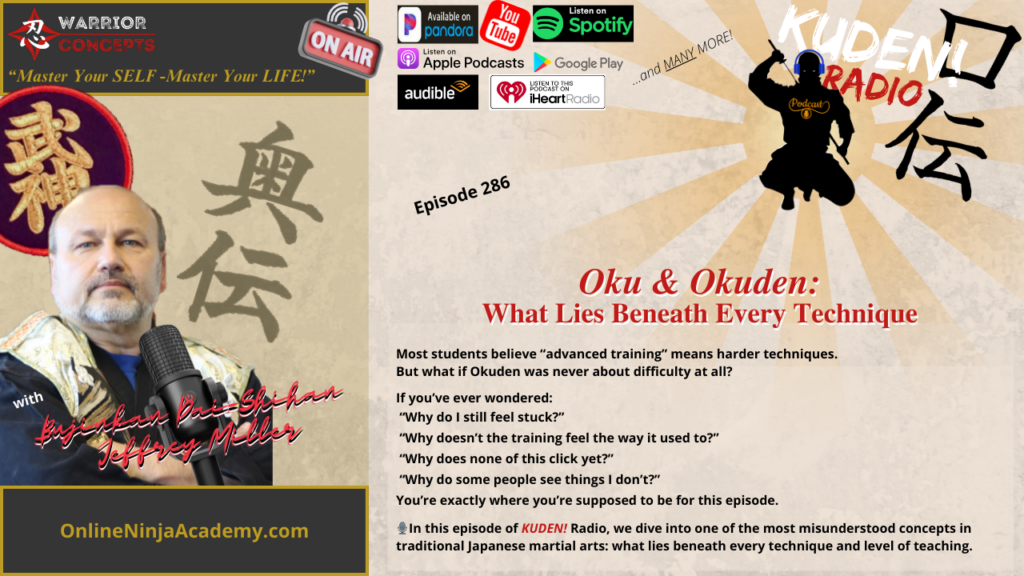
If you missed episode 286, click HERE, on the pic below, or catch the full lesson on your favorite podcast directory. KUDEN! Radio is available on; Spotify, Apple Podcasts, iHEARTRadio, Pandora, GooglePlay, Audible, and more.
“The Ninja Always Has the Right Technique at the Right Time”
This line appears mystical to beginners. It was a lesson I encountered almost at the beginning of my training, and it confused me then as much as it continues to confuse newer students.
But it isn’t mystical.
It’s logical.
Because, at this level of Mastery, the "technique" does not mean:
A throw.
A strike.
A lock.
It means all forms of techniques:
• de-escalation
• avoidance
• exiting
• intimidation without force
• manipulation of environment
• presence
• silence
• non-action
• disappearance
The "right technique" is often not physical at all.
It’s the act that prevents the physical and, if it still does happen, positions you at the place where his attack fails before it gets started.
Why “Oku” Applies to Life — Not Just Martial Arts
Hatsumi Sensei would often finish a discussion on a technique - something he just demonstrated - with the line:
"This isn't just a good martial arts idea. It's a good life idea."
Oku isn't a kata thing.
It’s a human thing.
And this is where the Warrior Comeback message connects directly, especially for past students trying to get "back" into training like they once did, and for those who feel "stuck" through lack of motivation, inconsistent training or practice, or even confidence in their abilities or what to work on next...
...ALL of which are symptoms of one or more deeper issues, not THE issue they've been trying to fix.
Because life works the same way.
People do not get stuck because they lack "motivation," "confidence," or anything else that seems logical - on the surface.
They get stuck because:
• they misread pressure
• they ignore early discomfort
• they rationalize warning signs
• they tolerate misalignment
• they collapse boundaries slowly
• they deny discomfort until they feel trapped
Which is why “stuck” doesn’t arrive suddenly.
It accumulates.
And then one day…
It "appears."
Just like an attack.
What "The Warrior Comeback System" Is Really About
It is not “life coaching.”
It is Okuden training — applied to life.
It teaches:
• where your boundaries collapsed
• where your identity got stuck
• where fear hijacked movement
• where perception went dim
• where momentum died silently
• where you absorbed conditions you never chose
• where you stopped listening to your own nervous system
Warrior Comeback does not give motivation.
It restores alignment.
Because alignment removes the friction that caused stagnation.
And, when you understand THAT, then you have real POWER!
The Truth Advanced Students Must Face
Okuden is not flattering.
It will never stroke your ego in the same way mastering techniques at the shoden ad even chuden levels can.
It will never satisfy a part of you that:
• wants rating and status
• wants admiration
• wants rank
• wants spectacle
It is training for those who want clarity.
And clarity is quiet.
It is not loud.
It doesn't beg to be seen.
And yet…
It determines everything.
Okuden is for those who want to be powerful, without necessarily "looking" powerful.
Because they don't feel the need to impress anyone. But, they do want to have that power, confidence, and control to handle things when they're called for and needed.
If Something In You Is Stirring…
That’s not excitement.
That’s recognition.
If kata feels hollow…
If training feels mechanical…
If you've been fighting to get back into training, but age, injury, or motivation keep stopping you...
If repetition and doing things the same way (in training, or in your life) no longer satisfies you the way it once did…
If your growth stopped without warning…
If you sense there’s "another layer"…
You’re not lacking technique.
You’re crossing the threshold into Oku - away from the form of things, and into the DEPTH of things.
Closing: Why This Episode of KUDEN! Exists
Did you catch the podcast episode of KUDEN! Radio where I covered the 3 den levels - shoden, chuden, okuden - what they each mean, cover, and how okuden is not about advancement in the way technicians - technique-collectors - think about advancement. If you missed it, you can use one of the links above to catch it.
This episode exists to remind you:
The art doesn't change.
The student does.
And growth doesn’t come from doing more…
It comes from seeing deeper.
I only send this to people who ask for it.
If this hit you in places you didn’t expect…
Email me with the subject line: COMEBACK
In the body, answer one question:
“Where do you feel tied down right now?”
I’ll personally send you a private guide I wrote for my students:
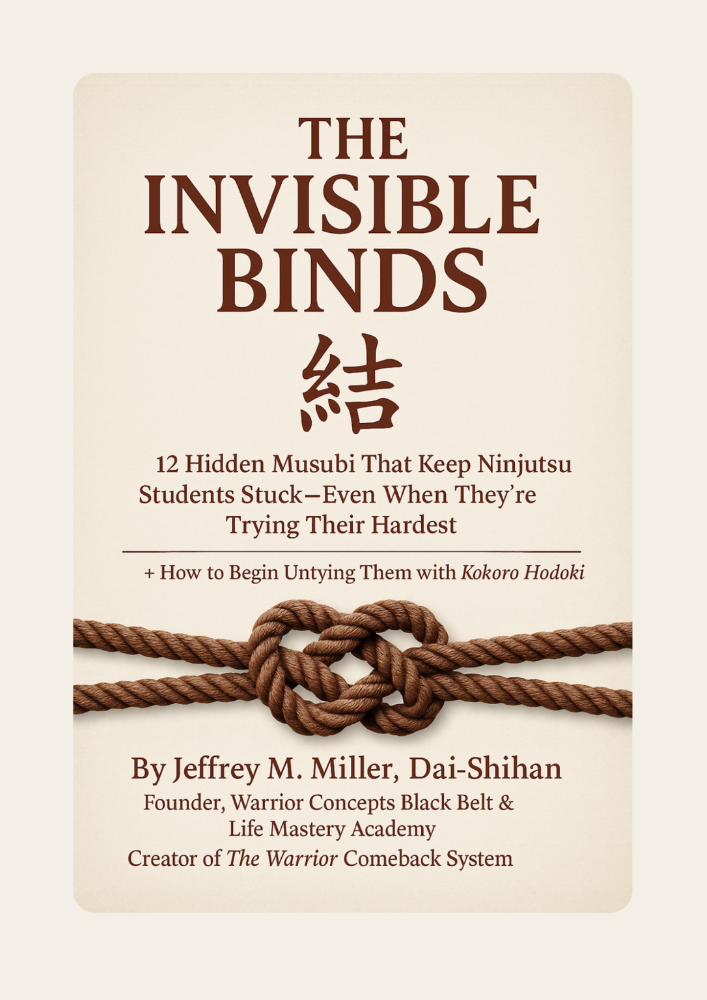
THE INVISIBLE BINDS
12 Hidden Musubi That Keep Warriors Stuck — Even When They’re Trying Their Hardest

New Accelerated "Foundations of Ninja Self-Defense" Online & Distance Learning Program!

Just because you can fight or carry a gun, doesn't mean you have a broad enough skill set or the skill-proficiency to handle any attacker, any fight style, or any threat scenario that could come at you, quickly, efficiently, and with the least amount of wear-and-tear on your in the process! This "foundations" course has more in it than most full programs! Remember: "The one with the most options has the greatest chance for success!" -- Jeffrey Miller
If you don't want to lose this thread once you leave this page...
WEEKLY ONLINE TRAINING FROM DAI-SHIHAN MILLER!
Mindset, Life-Master, and Warrior Living for the modern protector!
Monday Evenings at 8pm eastern
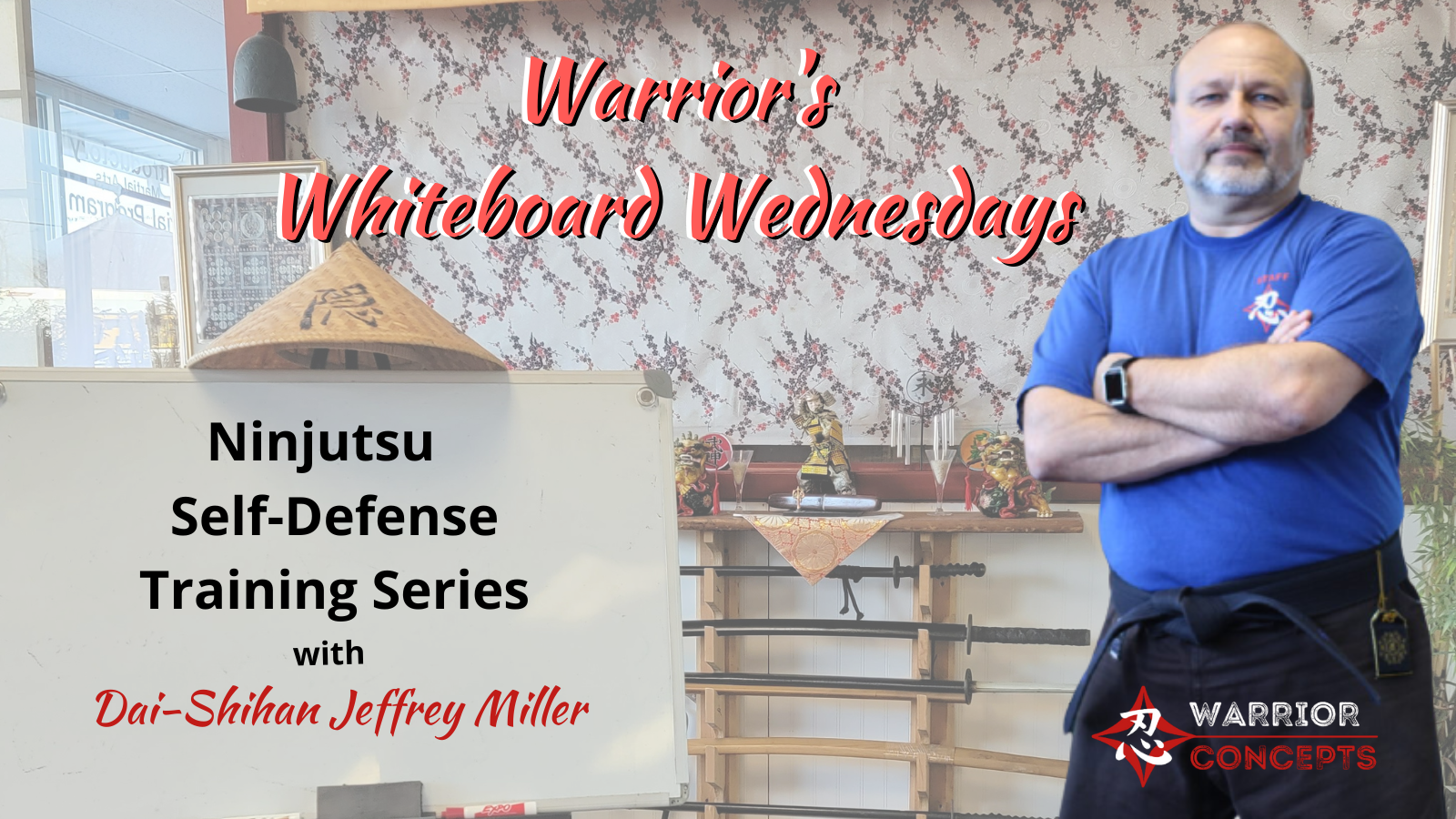
Strategies and Tactics to Put More Power & "Bite" in Your Techniques!
Wednesday Afternoons at 3pm eastern
If you're new to Ninjutsu, this is where you build the body for what your mind is now waking up to...
"Foundations of Ninja Self-Defense"
Online & Distance Learning Program!
Just because you can fight or carry a gun, doesn't mean you have a broad enough skill set or the skill-proficiency to handle any attacker, any fight style, or any threat scenario that could come at you, quickly, efficiently, and with the least amount of wear-and-tear on your in the process! This "foundations" course has more in it than most full programs! Remember: "The one with the most options has the greatest chance for success!" -- Jeffrey Miller
ABOUT YOUR INSTRUCTOR
Dai-Shihan Jeffrey Miller is an internationally-recognized self-defense expert, teacher, speaker, and author. He is a personal student of Soke Masaaki Hatsumi, 34th Grandmaster of the Togakure school of Ninjutsu and 8 other classical systems of Japanese combat and personal warrior mastery.
As a former federal police officer, member of the U.S. Army Military Police Corps, and a private security specialist and violence consultant, his primary focus is on helping serious students translate these proven, time-tested lessons and skills for use by serious warrior-protectors in the modern world of the 21st century!
Dai-Shihan Miller says: "I teach this art not as a collector of techniques - but as someone who's had to use these skills and untie real knots in real life, and I can help you do that, too!"
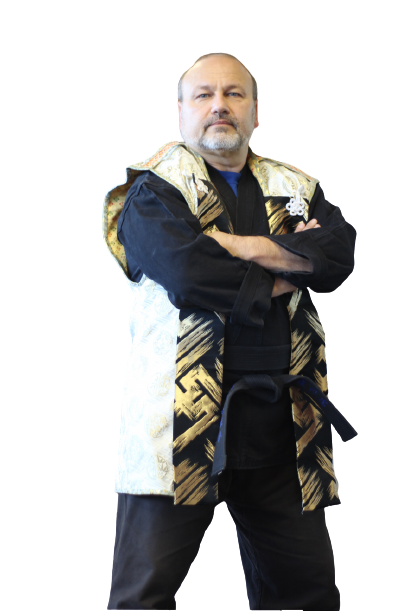
"Every warrior deserves a comeback story!"
Other Books and Training Resources by Dai-Shihan Miller:
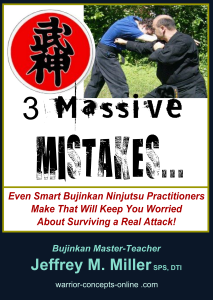
Discover the 3 things that most serious, self-defense-oriented students are missing in their training
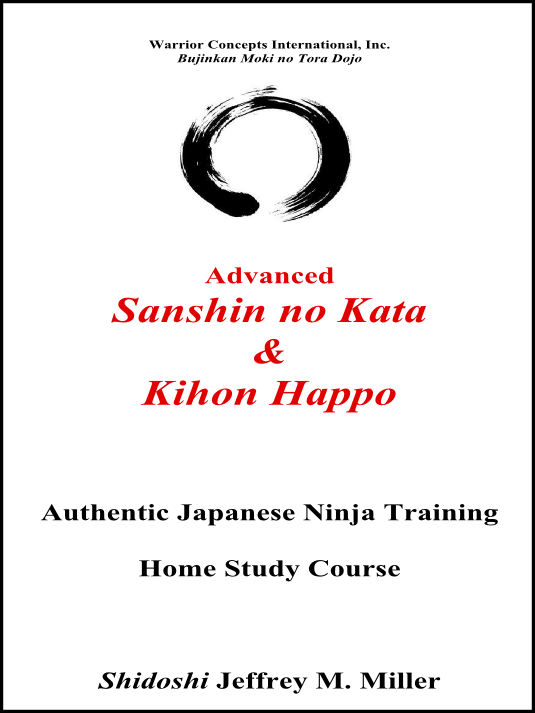
The best FREE book on critical self-defense topics that span across many different scenarios.
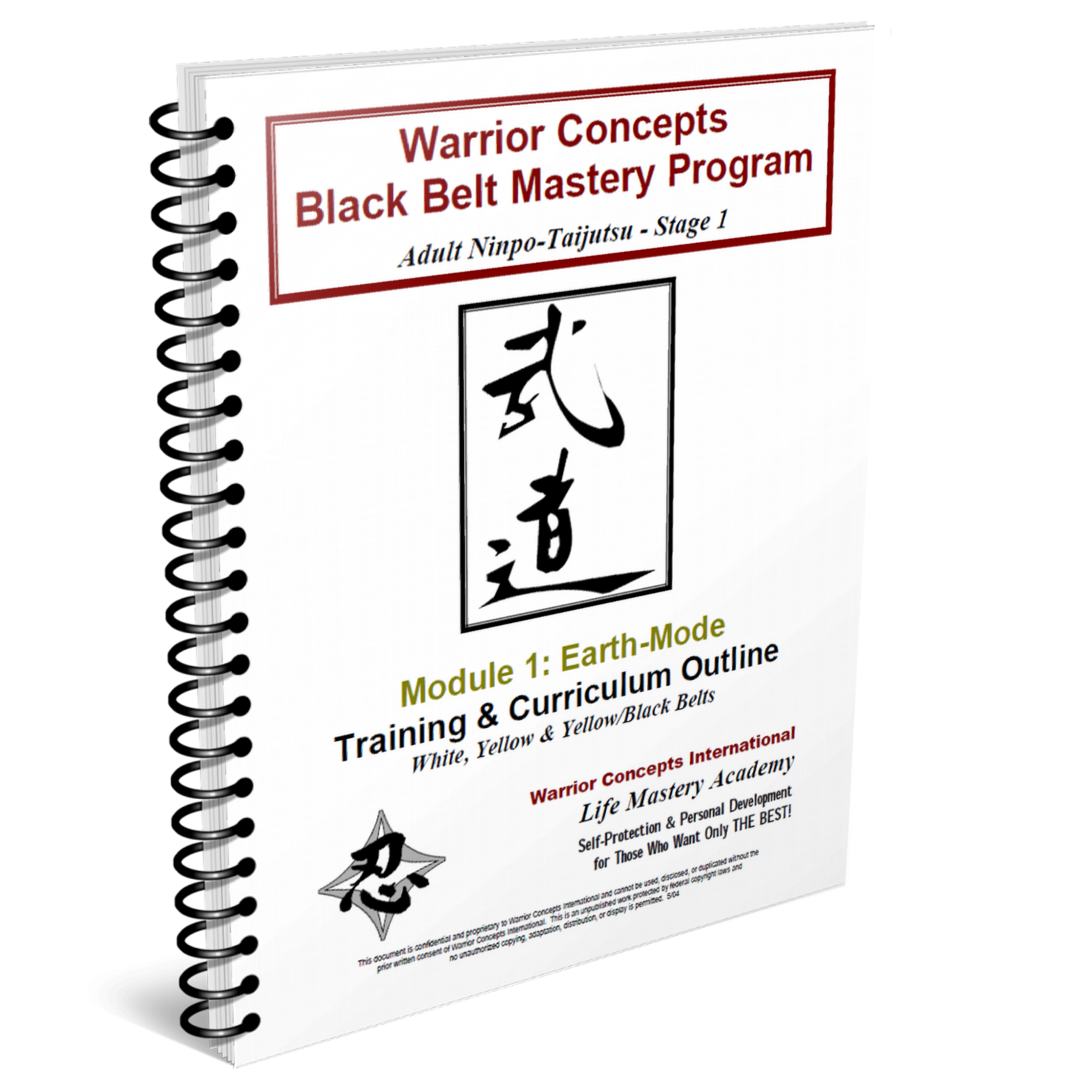
This official student workbook was created to help my Ninjutsu students stay on track!
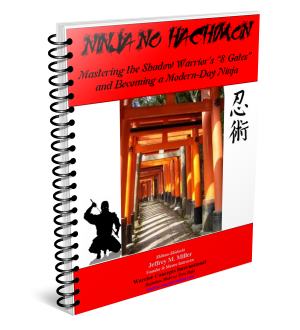
Learn the 8 Gates or minimum study areas required in ancient Japan for any school claiming to be teaching Ninjutsu!

Don't Forget to Check Out the EVENTS page for upcoming camps, weekend intensives, seminars, and other training opportunities...